AI-Powered Personalization: How Ecommerce Stores Can Compete with Amazon
Discover how AI-powered personalization can help ecommerce stores compete with Amazon by enhancing customer experiences and driving sales.
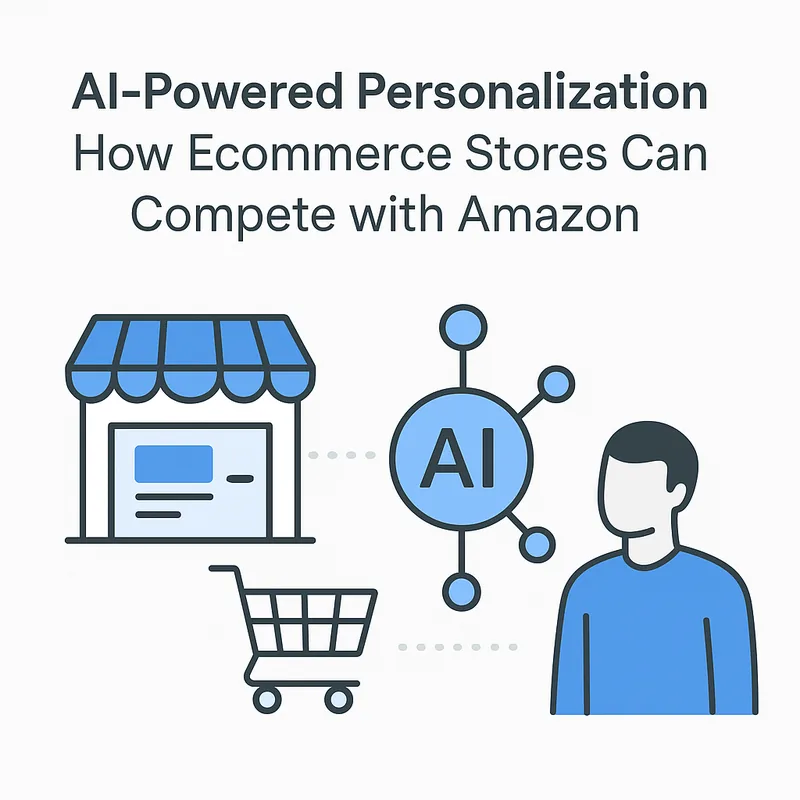
AI-Powered Personalization: How Ecommerce Stores Can Compete with Amazon
In the rapidly evolving landscape of ecommerce, personalization has emerged as a critical strategy for businesses seeking to stand out. With giants like Amazon setting high standards for customer experience, smaller ecommerce stores must leverage innovative technologies to compete. AI-powered personalization is at the forefront of this transformation, enabling businesses to tailor their offerings to individual customer preferences.
Understanding AI-Powered Personalization
AI-powered personalization refers to the use of artificial intelligence to analyze customer data and deliver customized shopping experiences. This technology can track user behavior, preferences, and past purchases, allowing ecommerce stores to recommend products that align with each customer’s unique interests. For instance, when a customer visits an online store, AI algorithms can suggest items based on their browsing history or similar purchases made by other customers. This level of personalization not only enhances the shopping experience but also increases conversion rates.
Competing with Amazon Through Unique Customer Experiences
While Amazon excels at offering a vast selection of products, smaller ecommerce stores can differentiate themselves by focusing on customer experience. By implementing AI-powered personalization, these stores can create a more engaging and relevant shopping journey. For example, integrating personalized product recommendations on your website can lead to higher customer satisfaction and loyalty. If you are looking to enhance your online presence, consider investing in Ecommerce Website Development that incorporates these advanced features.
The Role of Data in Personalization
Data is the backbone of AI-powered personalization. Ecommerce stores must gather and analyze data from various sources, including website interactions, purchase history, and customer feedback. By understanding customer behavior, businesses can make informed decisions about product offerings and marketing strategies. Utilizing SEO Services can also help in driving targeted traffic to your site, ensuring that the right customers find your personalized content.
Enhancing User Experience with UI UX Design
A seamless user experience is essential for ecommerce success. AI-powered personalization can be significantly enhanced through effective UI UX design. By creating intuitive interfaces that respond to user behavior, ecommerce stores can guide customers effortlessly through their shopping journey. Investing in UI UX Design Services allows businesses to optimize their websites for better engagement, ensuring that personalized recommendations are presented in a visually appealing and user-friendly manner.
The Importance of Continuous Improvement
The ecommerce landscape is constantly changing, and so are customer preferences. To stay competitive, businesses must continuously refine their personalization strategies. This involves regularly updating algorithms, analyzing customer feedback, and adapting to new trends. By partnering with experts in Website Development, ecommerce stores can ensure that their platforms remain agile and responsive to customer needs.
Conclusion
In conclusion, AI-powered personalization offers a powerful tool for ecommerce stores looking to compete with Amazon. By harnessing the potential of data and technology, businesses can create unique shopping experiences that resonate with customers. With a focus on user experience and continuous improvement, smaller ecommerce stores can carve out their niche in the market. As you embark on this journey, remember that investing in the right services, such as Wordpress Development, can significantly enhance your ability to deliver personalized experiences.
Embracing AI-powered personalization is not just an option; it is a necessity for ecommerce stores aiming to thrive in a competitive environment.